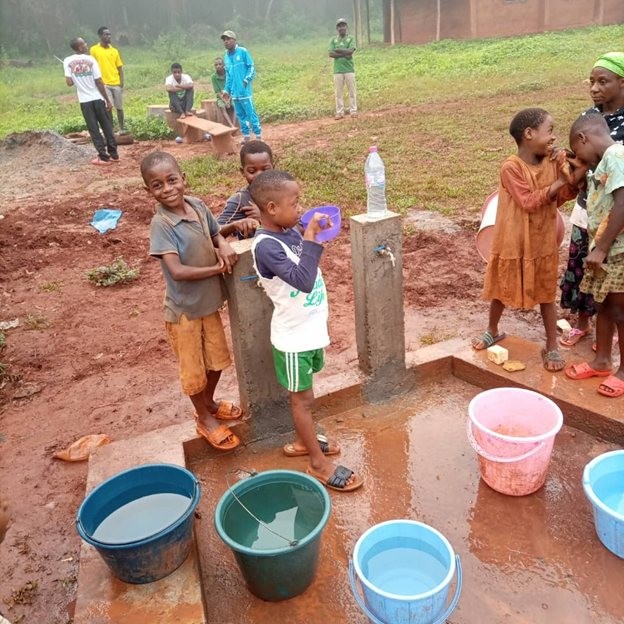
Bifalon, Cameroon
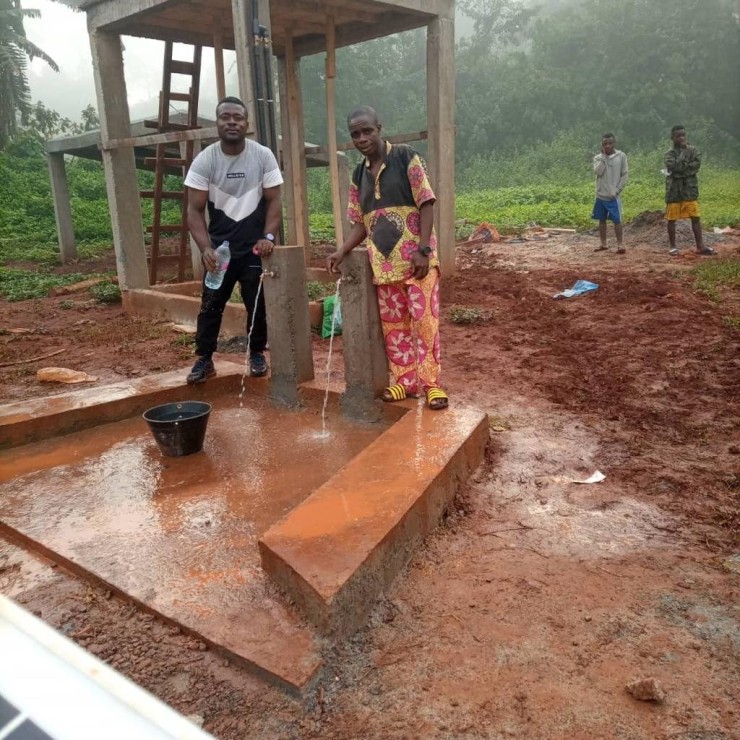
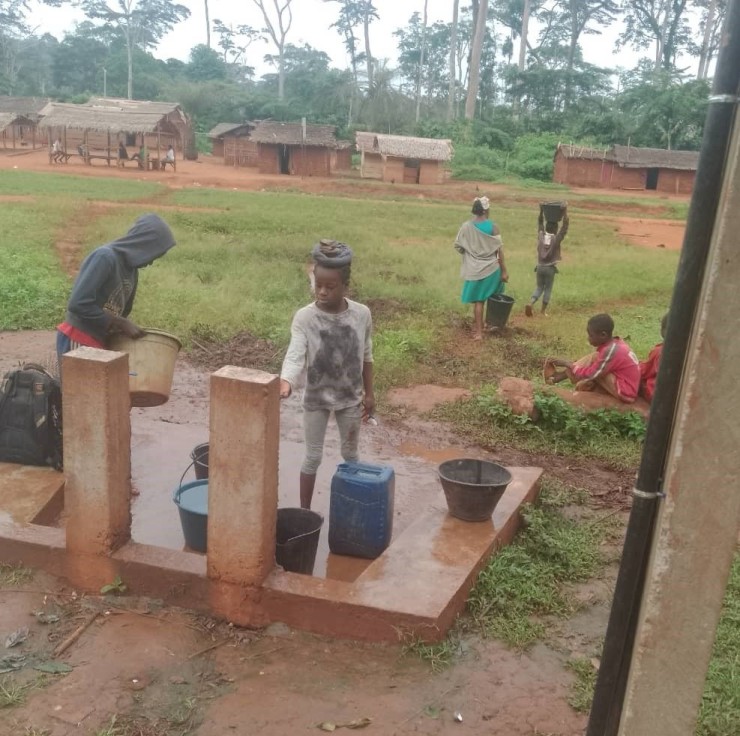
Before 2022, families in Bifalon walked to unsafe sources. Today a solar-powered borehole fills an elevated tank and public taps, every day, with no electricity grid. About 3,000 people were served by it as of January 2025.
How it was built
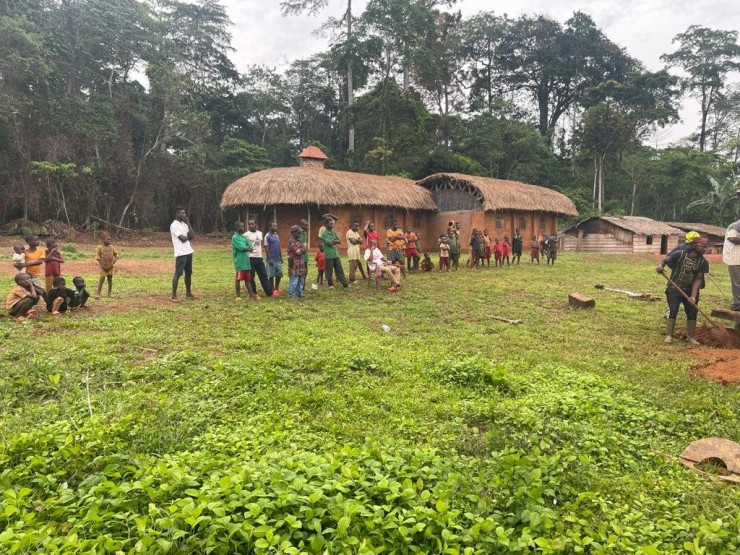
Step 1
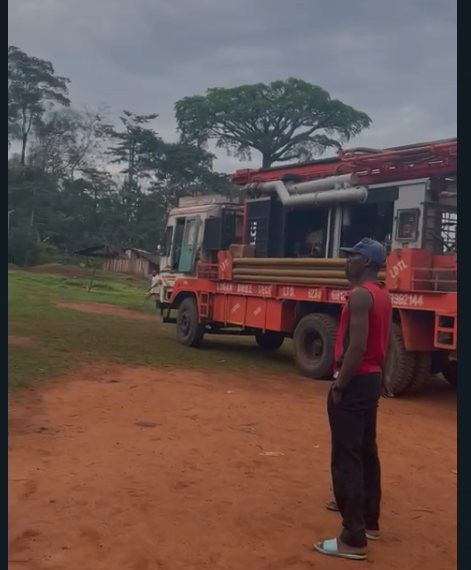
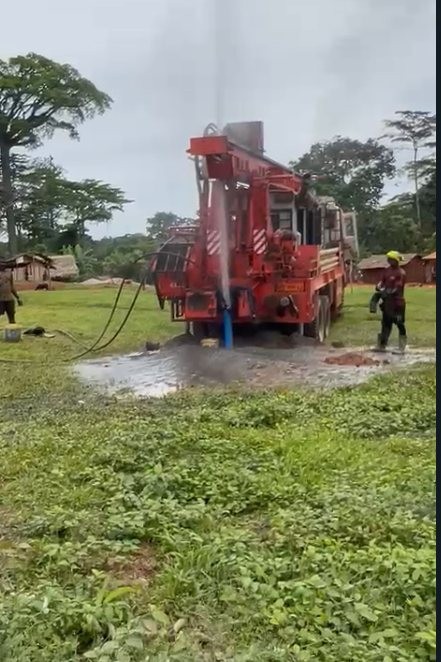
A drilling rig reached the village and the borehole struck water, watched by the whole community.
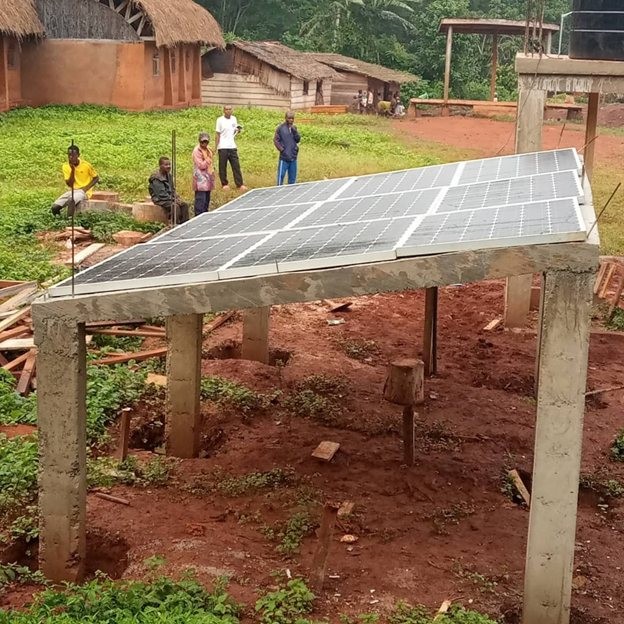
Step 2
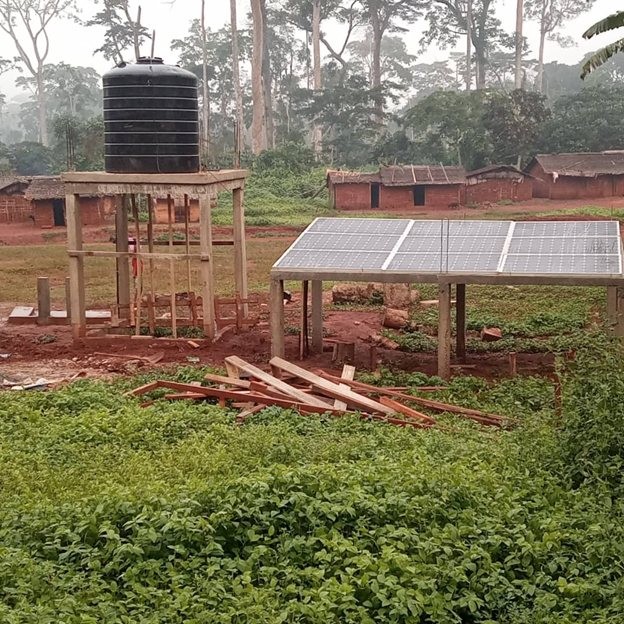
Solar panels on a concrete frame drive the pump: no fuel, no grid.
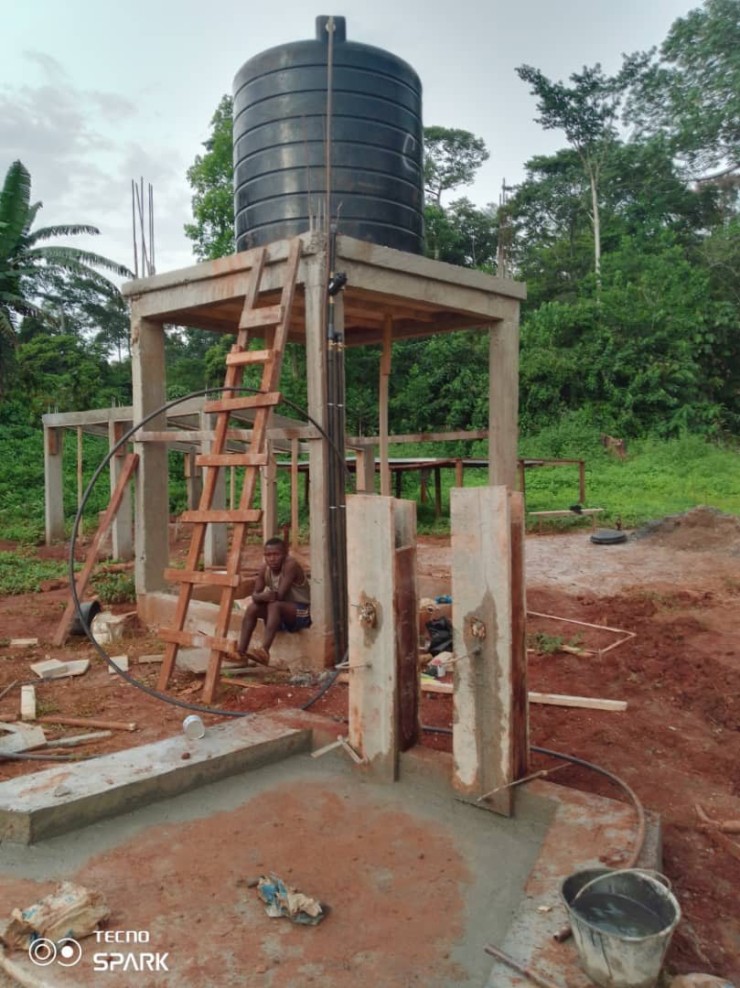
Step 3
An elevated tank feeds public taps the whole village can use.
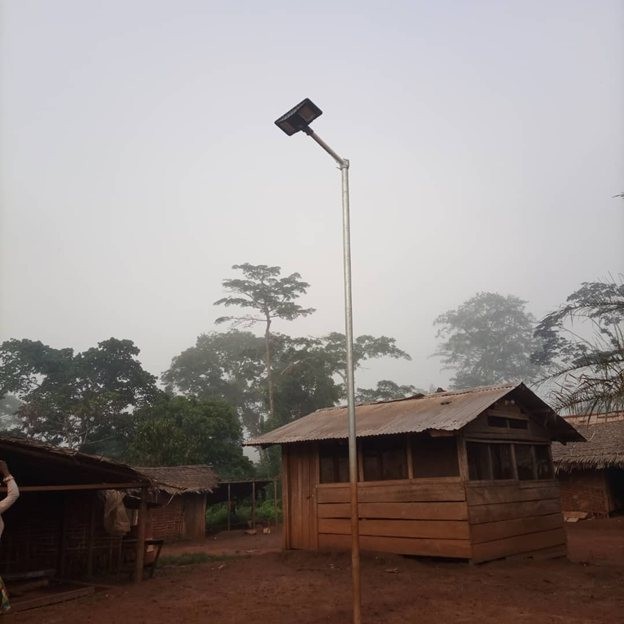
Step 4
Solar street lights make evenings around the water point safer.
The next well
Cost varies with depth and terrain. Each new site takes about 6 to 12 weeks, depending on logistics and weather.
Hydro-geological survey, drilling and casing of the borehole.
Solar pump, panels, controller and a secure housing: no grid needed.
An elevated storage tank and a tap stand the whole village can reach.
Hygiene education and a trained local water committee.
From the field